- +91-94636 40466
- info@lgassociates.org

FSSAI Registration & Food Licence Services
Food Business Operators (FBOs) are required to obtain the applicable FSSAI Registration or Licence under Section 31 of the Food Safety and Standards Act, 2006, subject to the applicable regulatory requirements. Lal Ghai & Associates assists food businesses with category assessment, FoSCoS applications, documentation, licence/registration modification, compliance support and regulatory representation.
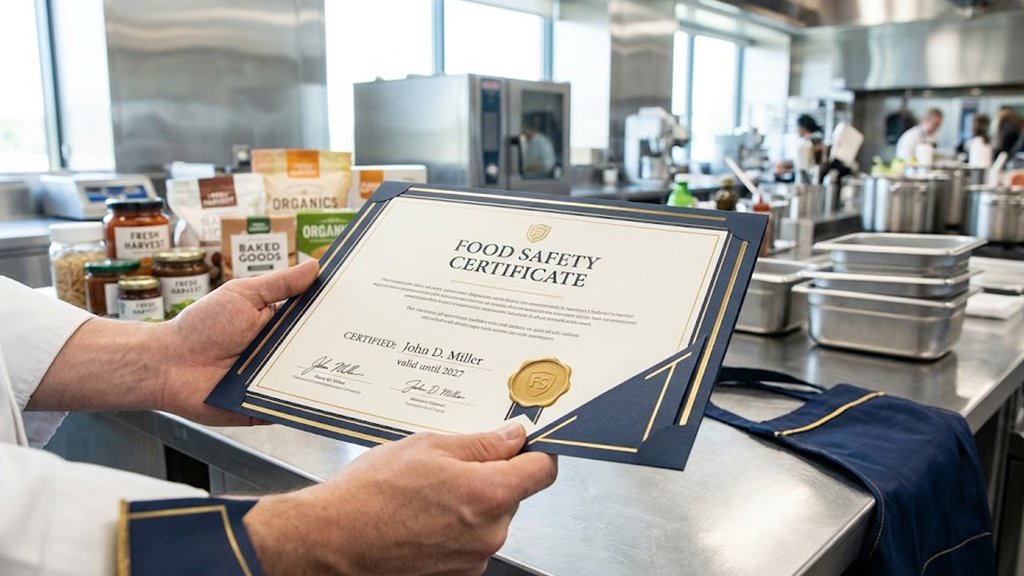
What is FSSAI Registration or Licence?
FSSAI Registration or Licence is the food-safety authorisation applicable to a food business under the Food Safety and Standards Act, 2006 and the Food Safety and Standards (Licensing and Registration of Food Businesses) Regulations, 2011. The applicable authorisation depends on the nature of the food activity, turnover and other prescribed eligibility criteria.
Applications and related filings are handled through FoSCoS (Food Safety Compliance System), subject to the applicable process for the relevant Kind of Business.
Types of FSSAI Authorisation — Which One Does Your Business Need?
| Category | General turnover threshold from 1 April 2026 | Typical application |
|---|---|---|
| Registration | Up to ₹1.5 crore | Petty/small food businesses and other activities falling within the applicable Registration criteria. |
| State Licence | Above ₹1.5 crore up to ₹50 crore | Food businesses falling within State Licence eligibility, subject to the applicable KoB criteria. |
| Central Licence | Above ₹50 crore | Food businesses falling within Central Licence eligibility; certain activities such as import and e-commerce may require Central Licence irrespective of turnover. |
Important: These are general turnover thresholds. FSSAI’s current KoB eligibility framework contains activity-specific rules and exceptions. The correct authorisation should therefore be determined by the business activity, premises, turnover and applicable KoB criteria rather than turnover alone.
Who May Need FSSAI Registration or Licence?
- Food manufacturers and processors, including flour/rice/dal mills, dairy and packaged-food units.
- Restaurants, cafés, dhabas, cloud kitchens, caterers, hotels and institutional food-service businesses.
- Food retailers, wholesalers, distributors and stockists.
- Food storage and warehousing businesses, including applicable cold-storage operations.
- Food transporters and logistics operators where covered by the applicable KoB criteria.
- Food importers, exporters and merchant-exporters, subject to the applicable Central Licence requirements.
- E-commerce food businesses and other regulated food-business models covered by FSSAI's KoB framework.
- Home-based and small food businesses where FSSAI Registration or Licence is applicable.
Perpetual Validity — Important 2026 Change
Under the 2026 reforms, FSSAI Registrations and Licences have perpetual validity and are no longer subject to the earlier periodic renewal cycle. They remain subject to applicable food-safety requirements and may be suspended, cancelled or surrendered in accordance with law.
Accordingly, the earlier website language referring to a 1–5 year validity period, mandatory periodic renewal, renewal before expiry and a ₹100-per-day late-renewal fee should not be used as a general description of the current framework.
Documents Required for FSSAI Registration
The exact document checklist depends on the Kind of Business, food activity, premises and category of authorisation. Common documents may include:
- Identity & Address Proof of the proprietor, partners, directors or authorised person, as applicable.
- Business constitution documents such as Certificate of Incorporation, Partnership Deed or other applicable proof.
- Proof of premises — ownership document, rent/lease agreement or other applicable occupancy proof.
- Details/list of food products and applicable food categories.
- For manufacturers: machinery/equipment details and installed capacity, where applicable.
- Water analysis report from an appropriate/NABL-accredited laboratory where required for the activity.
- Layout/site plan and other technical documents where required for the relevant licence category.
- Applicable NOCs, authorisations, declarations or supporting documents depending on the KoB.
- Importer/Exporter documentation such as IEC, where applicable.
The FoSCoS document checklist should be used for the specific KoB selected; not every document is required for every FBO.
Our FSSAI Registration & Compliance Services
New Registration & Licensing
- FSSAI Registration and Licence category assessment.
- FoSCoS application preparation and filing.
- Product category and Kind of Business selection.
- Documentation and deficiency-response support.
- Inspection-readiness and compliance support where inspection is applicable.
- Licence/Registration modification for changes in address, products, capacity or other particulars.
- Category migration or change of authorisation where required under the applicable eligibility criteria.
- Food Safety Management System (FSMS) and hygiene-compliance support for applicable licensed businesses.
- Annual-return compliance for eligible manufacturers, repackers, relabellers, importers and manufacturer-exporters.
- Regulatory notice, inspection and hearing-response assistance.
- Food labelling and display compliance review.
Ongoing Compliance After Registration / Licensing
Obtaining FSSAI authorisation is not the end of compliance. Food businesses must continue to comply with applicable hygiene, sanitary, food-safety, labelling, record-keeping, inspection and return requirements. The 23 June 2026 Second Amendment to the Licensing and Registration Regulations introduced, among other things, a requirement for licensed businesses to maintain daily records of production and raw-material utilisation, with the stated exception for non-manufacturing food businesses. The amendment also updated stock-rotation requirements so that raw materials, ingredients, work-in-progress and processed/cooked/packaged food products are subject to FIFO/FEFO requirements, with the stated exception for retailers.
Annual Return Compliance
Eligible licensed manufacturers, repackers, relabellers, importers and manufacturer-exporters are required to file the applicable annual return through FoSCoS. The ordinary due date is 31 May for activities carried out during the preceding financial year. Late filing attracts the prescribed late fee, currently ₹100 per day, subject to the applicable statutory cap and rules.
Manufacturers of milk and milk products may have additional return requirements under the applicable framework.
Penalties & Enforcement
Operating a food business without the required FSSAI authorisation can attract action under the Food Safety and Standards Act, 2006. Section 63 provides for imprisonment and fine for carrying on a food business without the required licence. Other contraventions, including sub-standard, misbranded or unsafe food, may attract separate penalties and enforcement measures depending on the nature of the violation.
Enforcement measures may include inspection, sampling, seizure/detention, suspension or cancellation of authorisation and other statutory action where the applicable provisions are satisfied. Website copy should avoid blanket claims about automatic closure or automatic suspension of third-party e-commerce accounts.
Why Choose Lal Ghai & Associates for FSSAI Registration
Correct FSSAI category and Kind of Business assessment before filing.
End-to-end FoSCoS application and documentation support.
Inspection and compliance-readiness support where applicable.
Support for manufacturing, food service, trading, storage, import/export and online food businesses.
Post-registration compliance support, including modifications, annual returns and regulatory responses.
Integrated support across GST, company law, trademark, FEMA/RBI and other business compliances.
Frequently Asked Questions
FSSAI Registration is the applicable food-safety authorisation for eligible petty/small food businesses. Larger or specialised food businesses may require a State or Central Licence depending on the applicable Kind of Business and eligibility criteria.
From 1 April 2026, the general turnover thresholds are: Registration up to ₹1.5 crore; State Licence above ₹1.5 crore up to ₹50 crore; and Central Licence above ₹50 crore. Activity-specific criteria and exceptions can apply, so turnover alone should not be used to determine the licence category.
No. Under the 2026 reforms, FSSAI Registrations and Licences have perpetual validity. They remain subject to ongoing compliance and may be suspended, cancelled or surrendered in accordance with law.
No. The earlier periodic renewal requirement has been replaced by perpetual validity under the revised 2026 framework. Businesses must, however, keep their particulars updated and comply with applicable food-safety requirements.
Yes. Home-based food businesses may require FSSAI Registration or Licence depending on their activity and applicable eligibility criteria.
Not necessarily. The applicable process depends on the type of business, authorisation and risk-based requirements. Inspection or audit may be required for particular applications or businesses.
A Food Safety Management System (FSMS) is a documented food-safety and hygiene system based on applicable requirements, including Schedule 4 and relevant good manufacturing/hygiene practices. Applicable licensed businesses must comply with the prescribed FSMS and hygiene requirements.
Eligible licensed manufacturers, repackers, relabellers, importers and manufacturer-exporters are required to file the applicable annual return through FoSCoS. The ordinary due date is 31 May each year for the preceding financial year.
Importers of food are covered under the Central Licence framework irrespective of the general turnover threshold, subject to the applicable KoB criteria.
The applicable Central Licence requirement depends on the export-related Kind of Business selected under FoSCoS. Exporter-manufacturers and merchant-exporters have specific entries in the current eligibility framework and should be assessed according to their actual activity.
The checklist depends on the Kind of Business. Common documents include identity/business proof, premises proof, food-product details and, where applicable, machinery/capacity details, water analysis reports, NOCs and other technical documents.
FSSAI may take statutory enforcement action for non-compliance, including inspection, sampling, penalties, suspension or cancellation of authorisation and other measures permitted under the applicable law. The exact consequence depends on the nature of the contravention.
Yes. Changes such as business particulars, premises, products or other licence details may require modification through FoSCoS, depending on the nature of the change.
FSSAI and GST are separate regulatory regimes. GST registration is not automatically a prerequisite for FSSAI authorisation, although a business may have a separate GST obligation depending on the GST law.
Yes. Food businesses selling through online channels must comply with the applicable FSSAI registration/licensing and food-safety requirements. E-commerce itself is also a specific Kind of Business under the current FoSCoS eligibility framework.
Need help choosing the correct FSSAI category?
Share your business activity, approximate turnover, premises details and whether you manufacture, trade, store, transport, import, export or sell food online.
We can assess the applicable FSSAI category and document checklist before filing.
Email: info@lgassociates.org | Offices in Ludhiana – Mohali – Gurgaon
Related Services at Lal Ghai & Associates
FSSAI compliance connects with your broader regulatory framework. LGA also handles: